Budget Android Phones in 2026: Where the Money Actually Goes
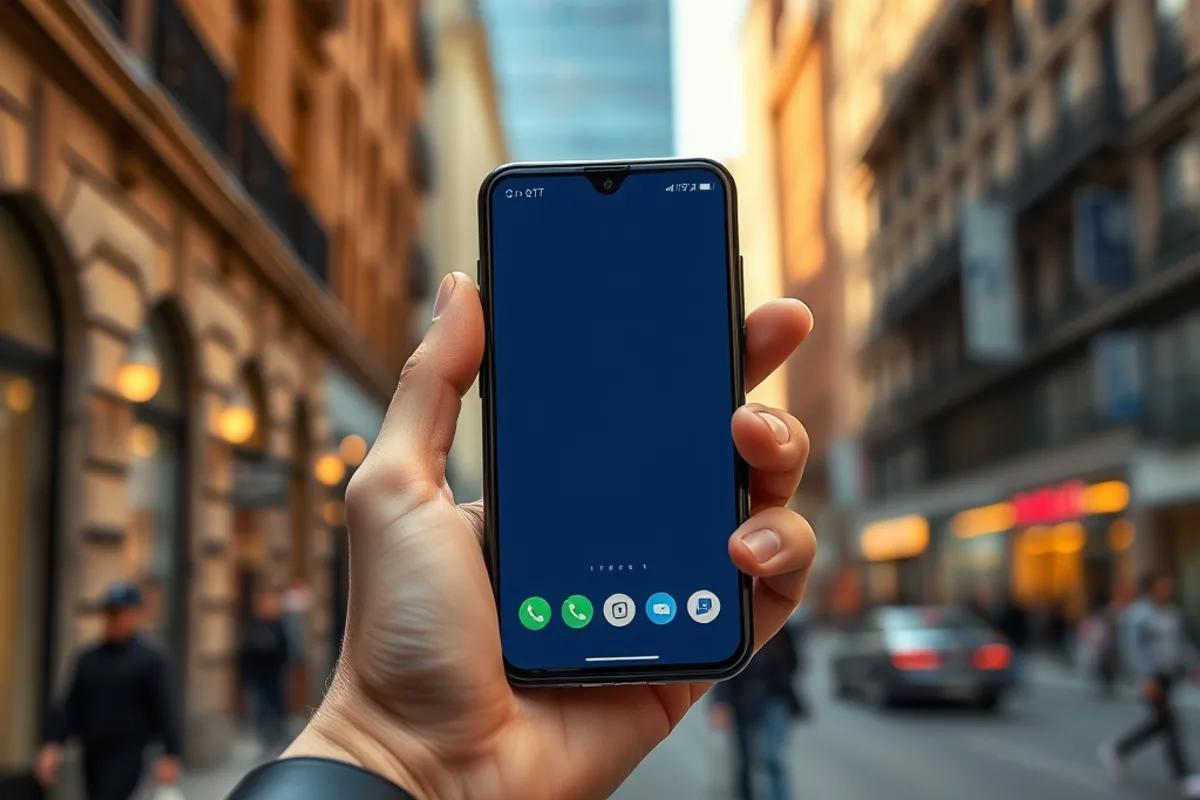
The gap between a budget phone and a flagship has narrowed in ways that matter and widened in ways that are easy to miss. A cheap device can now handle messaging, maps, video and a decent photo in good light. What it usually cannot do is stay fast for five years, shoot reliably at night or receive security updates on the same schedule. Knowing which compromise you are accepting is the whole decision.
Where the money goes in a cheap phone
Manufacturers protect the parts reviewers notice first: the screen size, the megapixel count and the battery figure. Savings come from the parts that are harder to advertise: the processor, the amount of memory, the modem, the speaker, the vibration motor and the number of years of software support. None of these is visible in a headline specification.
That is why two phones with similar paper specs can feel completely different after a month. One opens apps promptly and keeps them in memory; the other reloads every tab. One gets security patches; the other is abandoned after a year. The useful question is not which phone has more features, but which compromises you will notice in your daily routine.
Screens and the brightness trap
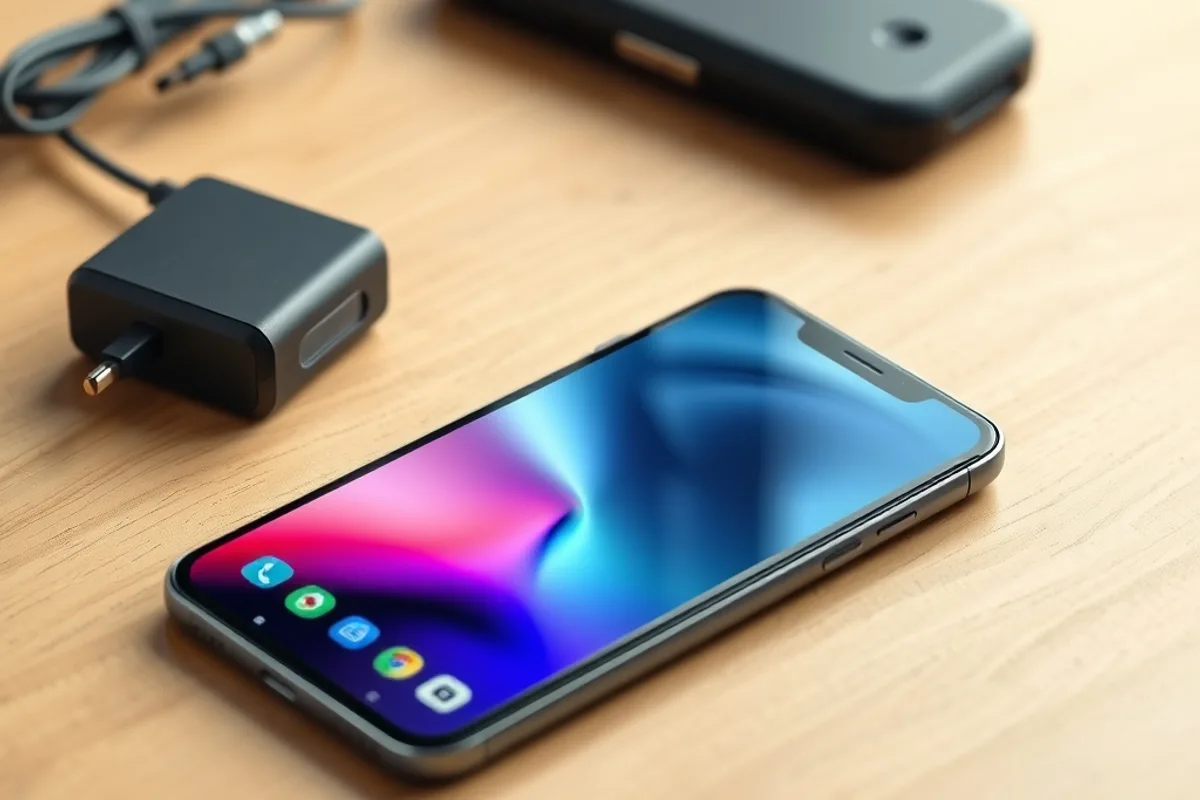
A large OLED panel is now common in the budget tier, which is genuinely good news. Peak brightness is where the difference shows. A screen that looks vivid indoors can become hard to read outdoors, especially with sunglasses. Check the sustained brightness rather than the peak number quoted in marketing, and look at how the display behaves in direct sun.
Refresh rate is another spec that needs context. A 120Hz panel feels smoother, but it also uses more power, and some phones drop to 60Hz under load or in battery-saving mode. A well-tuned 90Hz screen can feel better than an inconsistent 120Hz one. Test scrolling in a store or watch a review that shows real use, not just a settings screen.
Related reading: choosing a creator laptop by its screen. For the wider picture, see Laptops for Creators.
Battery claims versus real days
A 5,000mAh battery is a capacity, not a promise. Battery life depends on the efficiency of the chip, the brightness of the screen, the strength of the signal and the apps running in the background. A phone with a large battery and an inefficient processor can last less than a smaller phone with better tuning.
Charging speed matters as much as endurance for some people. A fast charger is convenient, but proprietary standards can be expensive to replace and may not be included in the box. Check the supported standard, the charger in the package and the cost of a spare. Also consider whether the battery is replaceable, because that single detail can extend the life of the device by years.

A budget phone is not a bad phone. It is a phone with a shorter list of things it refuses to compromise on.
Cameras: good light is doing the work
Budget cameras have improved mostly through software. In daylight, a modern phone produces images that look sharp and colourful on a phone screen. In low light, the difference between tiers becomes obvious: more noise, softer detail and slower focus. If most of your photos are taken indoors or at night, that is where the budget should go.
Megapixels are not the measure. Sensor size, lens quality and processing matter more, and a 50MP mode that takes two seconds to save is rarely useful. Look for consistent colour across the main, wide and front cameras, and check whether video stabilisation works while walking. A reliable main camera beats a crowded array of mediocre ones.
Also see our guide to designing mobile pages for real phones for a deeper comparison.
Software support is a hardware feature
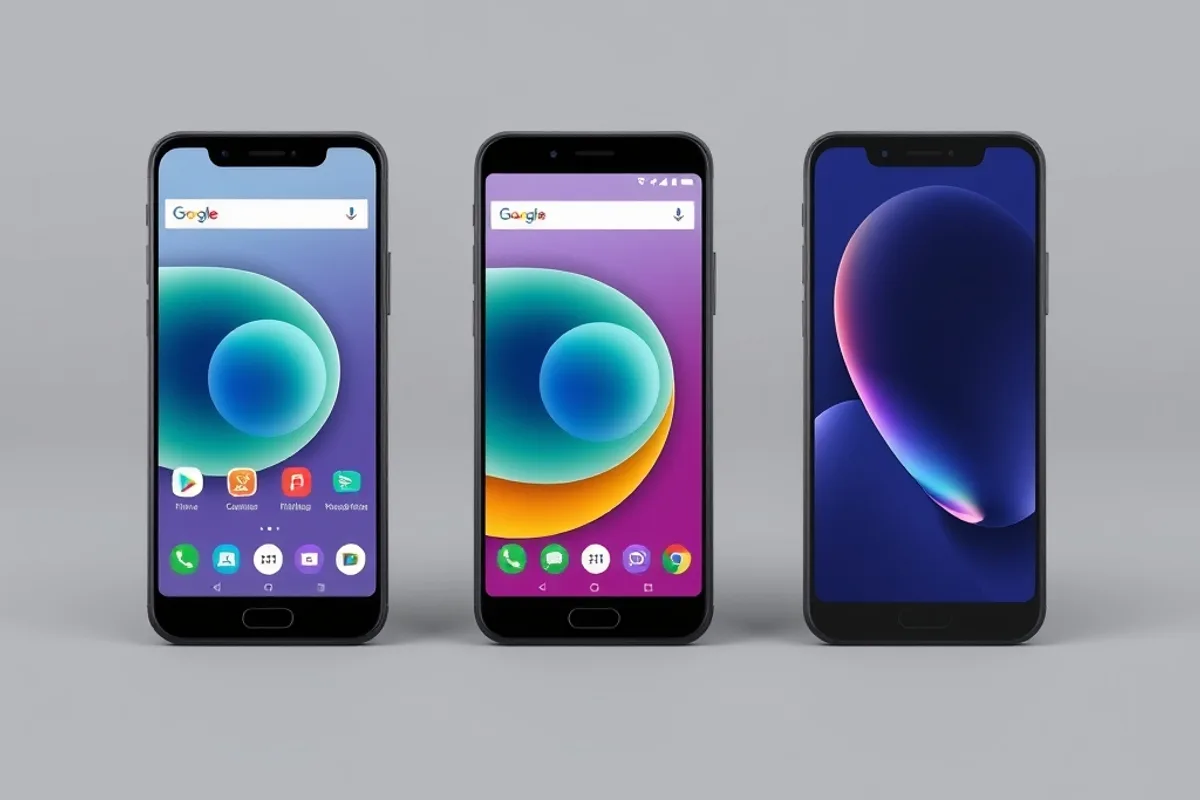
The number of operating system upgrades and security patches is part of the device, even though it is not printed on the box. A phone that receives four years of security updates can be a better purchase than a faster phone abandoned after eighteen months. Check the policy for your region, because it often differs from the global announcement.
Bloatware and preinstalled apps also affect the experience. Some can be removed; others cannot. Reviews rarely mention the notification spam from a preinstalled store or the duplicate apps that cannot be disabled. If a clean software experience matters to you, look for a manufacturer with a lighter skin or consider a slightly older model from a brand with a better update record.
Background: how smartphones are specified and compared.
Storage, memory and the upgrade you cannot add
Storage fills faster than expected once photos, offline maps and messaging backups accumulate. A 128GB model is a reasonable minimum for most people, but heavy camera users should look at 256GB. Expandable storage helps for media, though it is not a substitute for fast internal storage when installing apps.
Memory is the more important long-term limit. Eight gigabytes is adequate for everyday use; six gigabytes feels tight with several apps open. Because memory is usually soldered, buying more at purchase is the only option. Paying a little extra for memory is often wiser than paying for a marginally better camera you will stop noticing.
Who should buy which tier
For calls, messaging, maps, banking and casual photos, a well-reviewed budget phone with a bright screen and long update support is enough. For mobile games, video editing or heavy multitasking, a mid-range device with a stronger chip and more memory will cause far less frustration. Paying for a flagship is justified mainly by camera consistency, build quality and long support.
Set a total budget that includes a case, a charger and a memory card if needed. Then choose the device that fits your three most common tasks, not the one with the longest feature list. A phone is a tool you use every day, and reliability is worth more than a specification that only appears in a comparison table.
- Savings usually come from the processor, memory, modem and software support rather than the screen size.
- Sustained screen brightness matters more than the peak number in marketing.
- Battery capacity is only one factor; chip efficiency and signal strength change real endurance.
- Update length and bloatware are part of the device experience, not an afterthought.
- Buy enough memory at purchase, because it usually cannot be upgraded later.

Laptops for Creators: Choosing the Right Screen Over the Spec Sheet