Introduction & Background
The retail landscape is undergoing a seismic shift, driven by rapid advancements in artificial intelligence (AI) and augmented reality (AR). These technologies are not just changing how consumers shop but are fundamentally redefining the entire e-commerce experience. With global e-commerce sales projected to reach $6.3 trillion by 2024, businesses are under immense pressure to innovate and stay competitive. AI and AR are emerging as the cornerstones of this transformation, offering solutions that enhance personalization, streamline operations, and create immersive shopping experiences. From virtual try-ons to predictive analytics, these tools are bridging the gap between online and offline retail, making shopping more convenient, engaging, and efficient than ever before.
Concept & Overview
At its core, the integration of AI and AR in e-commerce revolves around leveraging cutting-edge technology to enhance customer interactions and optimize business processes. Artificial intelligence uses algorithms and machine learning to analyze vast amounts of data, enabling retailers to predict consumer behavior, automate customer service, and personalize recommendations with unprecedented accuracy. On the other hand, augmented reality overlays digital information onto the physical world, allowing users to visualize products in their own space before making a purchase. Together, these technologies create a dynamic ecosystem where data-driven insights meet interactive experiences, reshaping how brands engage with shoppers and drive sales.
Key Features & Highlights
- Personalized Shopping Experiences: AI algorithms analyze past purchases, browsing history, and preferences to curate tailored product recommendations. This level of personalization not only increases conversion rates but also fosters customer loyalty by making shopping feel uniquely relevant to each individual.
- Virtual Try-Ons and Fittings: AR technology enables customers to virtually try on clothes, accessories, or even makeup through their smartphones or AR-enabled mirrors. This eliminates the uncertainty of online shopping, reducing return rates and boosting consumer confidence in their purchases.
- Intelligent Chatbots and Virtual Assistants: AI-powered chatbots provide 24/7 customer support, answering queries, assisting with product selection, and even processing orders. These virtual assistants enhance user experience by offering instant responses and freeing up human agents to focus on more complex issues.
- Predictive Analytics and Demand Forecasting: By analyzing trends, seasonality, and consumer behavior, AI helps retailers anticipate demand, optimize inventory levels, and reduce overstock or stockouts. This ensures that popular items are always available while minimizing waste and storage costs.
- Enhanced Search and Visual Discovery: AI-driven visual search tools allow customers to upload images or use their camera to find similar products online. This feature is particularly useful for fashion and home decor, where visual appeal plays a crucial role in decision-making.
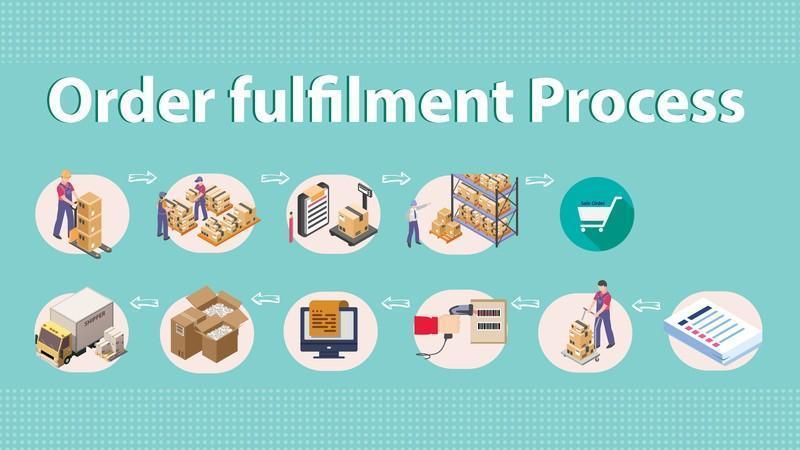
- Automated Logistics and Supply Chain Management: AI streamlines warehouse operations through automation, robotics, and real-time tracking. This not only speeds up order fulfillment but also reduces human error, ensuring timely deliveries and higher customer satisfaction.
Frequently Asked Questions / Pros & Cons
What are the primary benefits of using AI in e-commerce?
AI offers numerous advantages, including improved customer engagement through personalization, enhanced operational efficiency via automation, and data-driven insights that inform strategic decisions. It also reduces costs by optimizing supply chains and minimizing human errors in inventory management.
How does AR improve the online shopping experience?
AR bridges the gap between online and physical retail by allowing customers to visualize products in their own environment. This reduces the likelihood of returns, increases purchase confidence, and creates a more interactive and enjoyable shopping experience.
Are there any drawbacks to implementing AI and AR in retail?
While the benefits are substantial, challenges include high initial implementation costs, the need for technical expertise, and concerns about data privacy. Additionally, not all customers may be comfortable with AR tools, which can require a learning curve to adopt effectively.
How can small businesses leverage AI and AR without significant investment?
Small businesses can start with affordable AI tools like chatbots and basic AR applications that integrate with existing e-commerce platforms. Many third-party services offer scalable solutions, allowing businesses to test and expand their use of these technologies gradually.
What is the future outlook for AI and AR in retail?
The future looks promising, with advancements in AI and AR expected to drive even greater personalization, automation, and interactivity. Innovations like voice commerce, AI-generated virtual stores, and hyper-realistic AR simulations are likely to become mainstream, further blurring the lines between digital and physical retail.
Practical Guidance & Solutions
For businesses looking to integrate AI and AR into their e-commerce strategy, the first step is to identify the most relevant applications for their specific needs. Start by assessing customer pain points, such as high return rates or low engagement, and explore how these technologies can address them. For instance, implementing a virtual try-on feature can significantly reduce returns for fashion retailers, while AI-driven chatbots can improve customer satisfaction by providing instant support.
Next, consider partnering with technology providers that offer scalable and user-friendly solutions. Many platforms, such as Shopify and WooCommerce, have plugins and integrations for AI and AR tools, making it easier for businesses to adopt these technologies without extensive coding knowledge. Additionally, invest in staff training to ensure your team can effectively manage and optimize these new systems.
To maximize the impact of AI and AR, focus on creating seamless and consistent customer experiences across all touchpoints. Ensure that your website, mobile app, and physical stores (if applicable) are all optimized for these technologies. Finally, continuously monitor performance metrics, such as conversion rates, customer feedback, and return rates, to refine your approach and stay ahead of the competition.
Conclusion
The fusion of AI and AR is not just a trend but a fundamental shift in the retail industry, one that is here to stay. As these technologies continue to evolve, they will unlock even greater opportunities for businesses to connect with customers, streamline operations, and drive growth. For consumers, the benefits are equally compelling, with more personalized, convenient, and immersive shopping experiences becoming the norm. While challenges remain, the potential rewards far outweigh the risks, making AI and AR indispensable tools for the future of e-commerce. By embracing these innovations today, retailers can position themselves at the forefront of a revolution that is reshaping the way we shop and interact with brands.