Introduction & Background
The global business landscape is undergoing a profound transformation as sustainability takes center stage. Green businesses are no longer just a niche trend but a driving force reshaping industries worldwide. These enterprises prioritize environmental stewardship, social responsibility, and economic viability, collectively known as the triple bottom line. This approach challenges traditional profit-centric models by proving that success can, and should, be measured beyond financial gains alone. In an era marked by climate crises, resource depletion, and social inequalities, green businesses offer a beacon of hope and innovation, demonstrating that profitability and planetary health are not mutually exclusive. They are proving that sustainability is not just an ethical choice but a strategic advantage in today’s competitive market.
Concept & Overview
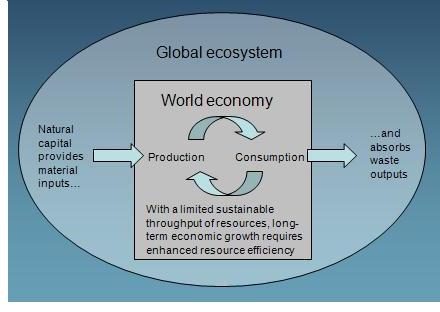
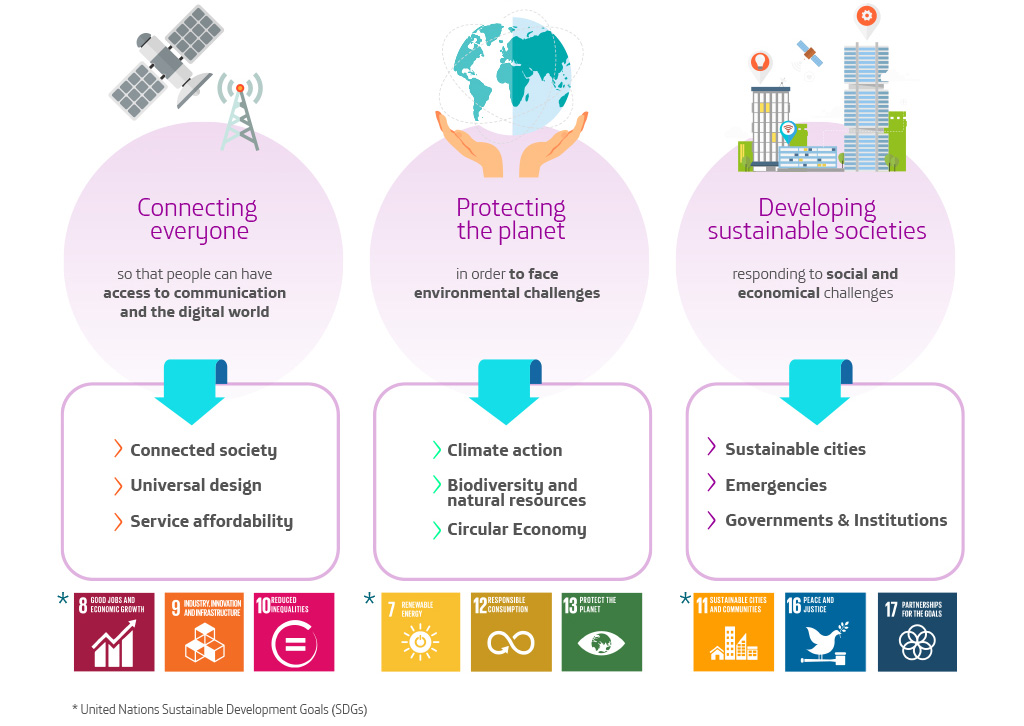
The triple bottom line (TBL) is a framework introduced by sustainability thought leader John Elkington in the 1990s. It expands the conventional business focus on profit to include two additional pillars: people and the planet. Under this model, companies are evaluated not only on their financial performance but also on their social impact and environmental stewardship. Green businesses embody these principles by embedding sustainability into their core operations, supply chains, and stakeholder relationships. They adopt circular economy practices, reduce carbon footprints, and foster equitable work environments. This holistic approach aligns profit with purpose, creating a sustainable business ecosystem that benefits all stakeholders while ensuring long-term viability in an increasingly resource-constrained world.
Key Features & Highlights
- Sustainable Supply Chains: Green businesses meticulously source materials, prioritizing renewable, recycled, or ethically produced resources. They collaborate with suppliers who adhere to fair labor practices and minimize environmental harm.
- Renewable Energy Adoption: Shifting to clean energy sources like solar, wind, or hydro power significantly reduces operational carbon emissions. Many green businesses not only use renewable energy but also generate excess power to feed back into the grid.
- Circular Economy Models: These businesses design products for longevity, repairability, and recyclability. They embrace the “reduce, reuse, recycle” mantra, minimizing waste through innovative product life cycle management.
- Social Equity & Inclusion: Green businesses champion diversity, equity, and inclusion within their workforce and communities. They invest in fair wages, employee development, and community initiatives that uplift marginalized groups.
- Transparent Reporting: Sustainability reporting and third-party certifications (e.g., B Corp, Fair Trade, LEED) build trust with consumers and investors. These businesses openly share their environmental and social impact metrics.
- Customer Engagement & Education: They empower consumers by raising awareness about sustainable choices. Through marketing and advocacy, they encourage behavioral shifts toward more responsible consumption patterns.
Frequently Asked Questions / Pros & Cons
What exactly defines a green business?
A green business is an enterprise that prioritizes sustainability in its operations, products, and services. It actively works to minimize environmental impact while maximizing positive social contributions. These businesses often adopt eco-friendly technologies, ethical labor practices, and transparent supply chains. Examples include companies using organic materials, those with carbon-neutral operations, or businesses committed to zero waste.
Is it expensive to transition to a green business model?
While initial investments in sustainable technologies or certifications can be higher, long-term savings often offset these costs. Energy-efficient systems reduce utility expenses, waste reduction lowers disposal costs, and sustainable sourcing can stabilize supply chains. Additionally, government incentives, tax breaks, and grants for green initiatives can ease the financial burden. The key is strategic planning and phased implementation to spread out expenses.
Pros of green businesses:
- Enhanced brand reputation and customer loyalty among eco-conscious consumers.
- Access to new markets and investment opportunities focused on sustainability.
- Resilience against regulatory changes and resource scarcity.
- Improved employee morale and retention due to purpose-driven work environments.
- Potential for higher profit margins through resource efficiency and innovative product offerings.
Cons of green businesses:
- Higher upfront costs for sustainable infrastructure, technology, or certifications.
- Challenges in finding reliable suppliers of sustainable materials or components.
- Consumer skepticism or greenwashing accusations if sustainability claims are not substantiated.
- Potential resistance from stakeholders accustomed to traditional, non-sustainable practices.
- Complexity in measuring and reporting non-financial performance metrics accurately.
Practical Guidance & Solutions
Transitioning to a green business model requires a structured approach. Start by conducting a thorough sustainability audit to identify areas for improvement. Set clear, measurable goals aligned with the triple bottom line, such as reducing carbon emissions by 30% within five years or achieving zero waste by 2030. Invest in employee training to foster a culture of sustainability from the ground up.
Explore partnerships with like-minded organizations to share resources and knowledge. For example, collaborating with local farms for sustainable sourcing or joining industry consortia focused on circular economy practices can amplify impact. Leverage technology to streamline operations, such as using smart sensors to optimize energy use or blockchain for transparent supply chain tracking.
Engage consumers through storytelling. Share behind-the-scenes content about your sustainability efforts, such as how products are made or the environmental benefits of choosing your brand. Highlight third-party certifications prominently to build credibility. Finally, stay adaptable. The green business landscape is evolving rapidly, so regularly review your strategies and be prepared to pivot as new technologies or consumer preferences emerge.
Conclusion
Green businesses are redefining success by proving that profitability, social equity, and environmental responsibility can coexist harmoniously. As climate change and social justice issues dominate global conversations, the triple bottom line model offers a roadmap for sustainable growth. These enterprises are not just surviving in a changing world, they are thriving by turning challenges into opportunities. For entrepreneurs and established businesses alike, embracing green principles is no longer optional but essential for long-term relevance and resilience. The future belongs to those who innovate with purpose, and green businesses are leading the charge. By committing to sustainability today, we are not only securing financial health but also contributing to a healthier planet and a more equitable society for generations to come.