Introduction & Background
Digital transformation is no longer just a buzzword. It has become a fundamental shift in how businesses, individuals, and entire societies operate. Over the past decade, technology has moved from being a supporting tool to the very foundation of modern life. From the way we communicate to how we work and even how we relax, digital tools have redefined almost every aspect of our daily routines. The COVID-19 pandemic only accelerated this trend, proving that adaptability through technology is not just an advantage but a necessity. As we move further into an era dominated by artificial intelligence, automation, and interconnected systems, understanding how digital transformation reshapes our world is crucial for anyone looking to thrive in the future.
Concept & Overview
Digital transformation refers to the integration of digital technology into all areas of a business or society, fundamentally changing how operations are conducted and value is delivered. It goes beyond merely adopting new tools; it involves a cultural shift that encourages innovation, agility, and customer-centric approaches. At its core, digital transformation is about leveraging data, connectivity, and intelligent systems to create more efficient, responsive, and personalized experiences. This transformation impacts every sector, from healthcare and education to finance and retail. The goal is not just to digitize existing processes but to reimagine them entirely, unlocking new opportunities and solving longstanding challenges in ways that were previously unimaginable.
Key Features & Highlights
- Seamless Connectivity: Digital transformation has erased geographical barriers. Tools like cloud computing, video conferencing, and instant messaging allow teams to collaborate in real time, regardless of location. This connectivity fosters global partnerships, remote work cultures, and instant access to information.
- Data-Driven Decision Making: Businesses now rely on big data analytics to make informed choices. By collecting and analyzing vast amounts of data, organizations can predict trends, personalize customer experiences, and optimize operations with precision that was once impossible.
- Automation of Routine Tasks: Repetitive and time-consuming tasks are increasingly handled by AI and robotic process automation (RPA). This shift allows employees to focus on creative and strategic work, boosting productivity and job satisfaction.
- Enhanced Customer Experiences: Digital tools enable companies to understand customer needs better and deliver tailored solutions. Chatbots, AI-driven recommendations, and personalized marketing are just a few examples of how digital transformation elevates customer engagement.
- Remote and Hybrid Work Models: The rise of digital platforms has made remote and hybrid work not just feasible but highly effective. Employees now enjoy greater flexibility, leading to improved work-life balance and access to global job opportunities.
Frequently Asked Questions / Pros & Cons
What exactly is digital transformation, and why is it important?
Digital transformation is the process of using digital technologies to create new or modify existing business processes, culture, and customer experiences. It is important because it enables organizations to stay competitive, improve efficiency, and meet evolving customer expectations in a rapidly changing world.
What are the main challenges of implementing digital transformation?
The biggest challenges include resistance to change within organizations, high implementation costs, cybersecurity risks, and the need for continuous upskilling of employees. Additionally, integrating legacy systems with new digital tools can be complex and time-consuming.
How does digital transformation impact employment?
While digital transformation automates routine jobs, it also creates new roles focused on managing and optimizing technology. Employees who adapt by learning digital skills can transition into high-demand positions, but those resistant to change may face job displacement.
What industries benefit the most from digital transformation?
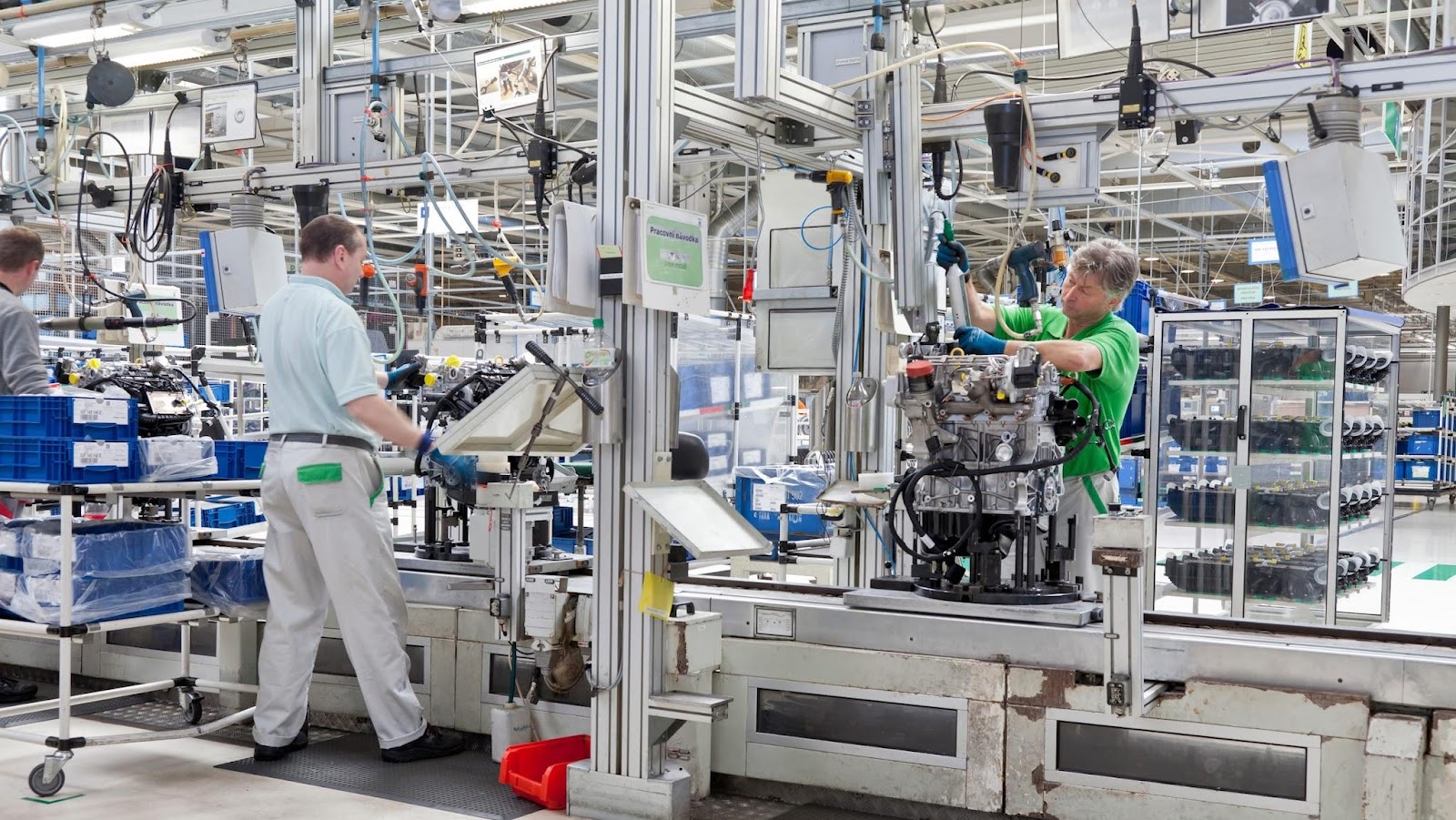
Industries such as finance, healthcare, retail, and manufacturing experience some of the most significant benefits. In finance, digital tools enhance security and customer service. In healthcare, they improve patient care through telemedicine and electronic health records. Retailers use digital channels to personalize shopping experiences, while manufacturers leverage IoT and AI for smarter production.
Is digital transformation only for large corporations?
No, businesses of all sizes can benefit from digital transformation. Small and medium-sized enterprises (SMEs) can leverage affordable cloud-based tools, mobile apps, and automation to streamline operations and reach new customers. The key is to start small, focus on high-impact areas, and scale gradually.
Practical Guidance & Solutions
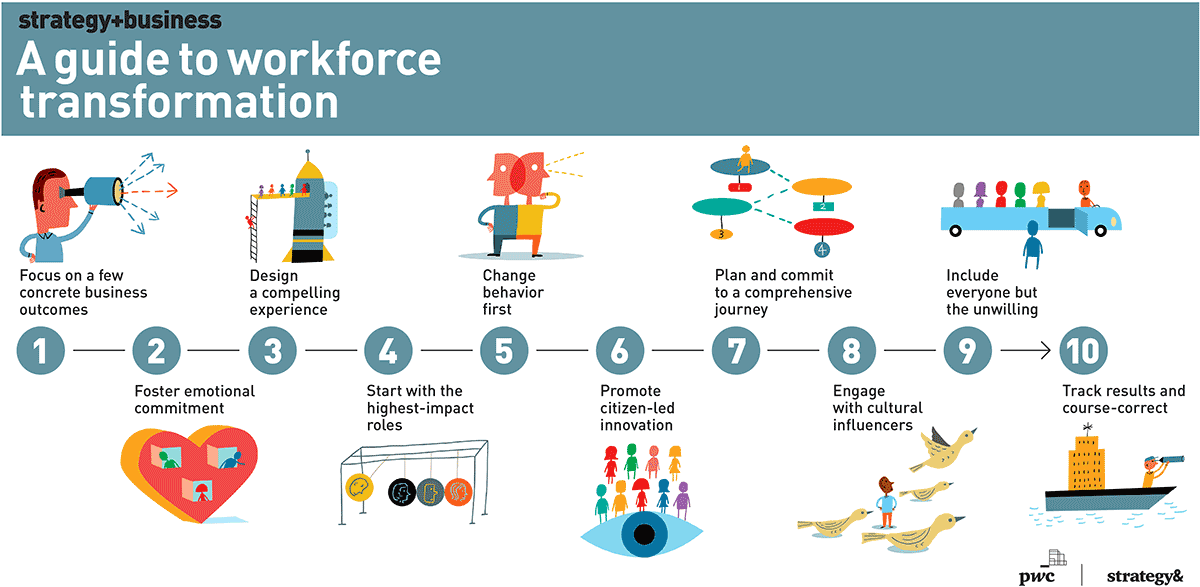
Embarking on a digital transformation journey requires careful planning and execution. Start by assessing your current processes and identifying pain points that digital tools can address. Prioritize areas where technology can deliver the most value, such as customer service, data management, or supply chain efficiency. Invest in training programs to upskill your workforce, ensuring they are comfortable with new tools and methodologies.
Choose the right technology partners and platforms that align with your business goals. For instance, cloud services like AWS or Azure offer scalable solutions, while AI-driven analytics tools provide actionable insights. Implement change management strategies to foster a culture of innovation and continuous improvement. Encourage feedback from employees and customers to refine your approach and stay agile.
Security should be a top priority. Implement robust cybersecurity measures, including encryption, multi-factor authentication, and regular audits, to protect sensitive data. Finally, measure success through key performance indicators (KPIs) such as productivity gains, cost savings, and customer satisfaction scores. Digital transformation is not a one-time project but an ongoing journey of adaptation and growth.
Conclusion
Digital transformation is more than a technological upgrade. It is a revolution that redefines how we live, work, and connect on a global scale. By embracing connectivity, data, and automation, we unlock unprecedented opportunities to innovate and solve complex challenges. While the journey comes with its challenges, the rewards, greater efficiency, enhanced customer experiences, and a more agile workforce, are undeniable. The future belongs to those who are willing to adapt and lead with vision. Whether you are a business leader, an employee, or simply someone navigating this digital age, staying informed and proactive is the key to thriving in tomorrow’s world.